

Testing For ADHD
It can be challenging and time-consuming to obtain an accurate diagnosis of ADHD. There are a variety of services that can assist you through the process.
adhd testing -depth evaluation is the first step in diagnosing ADHD. This may require more than one appointment and may involve standardized testing to confirm the diagnosis.
Test of Variables in Attention (T.O.V.A.
The Test of Variables of Attention, (T.O.V.A. The Test of Variables of Attention (T.O.V.A.) is a psychometric assessment that aids doctors in diagnosing patients suffering from ADHD and other attention disorders. It takes approximately 21.6 minutes to complete. The test is performed as a simple, computer-based test that tests the test taker’s ability to focus.
It includes a number of variables that are measured in response to both auditory and visual stimuli. These measurements are then compared to the results of people who do not suffer from attention problems.
This type of test has been used for some time and is still used in some cases. However, it is important to keep in mind that it comes with some caveats with it and should be thoroughly examined before making conclusions.
The TOVA differs from other continuous test of performance. It has a predetermined time frame. This makes it ideal to measure sustained attention and alertness. This interval is designed decrease the participants' arousal and make it easier to complete the task.
In addition to that, the TOVA isn't just a good test for adults, but it is also suitable for children and adolescents who show difficulties with focusing or paying attention. The TOVA is designed to focus on tasks that require constant concentration, impulsive control, and other skills that ADHD sufferers are often lacking.
There are two versions of the TOVA The visual version, which uses geometrical stimuli, as well as the auditory version that employs two tones that have been deemed to be "target" or "non-target". Both tests are administered separately and cannot be taken simultaneously.
In the visual version, the tester is provided with a micro-switch that they must press when they find a target square displayed on the screen or notice a square that isn't target. The test taker is required to press the button if they hear a tone they believe to be an intended tone. It is typically the case with a "G" note that is above the "C". adhd test is a boring and tedious process however, it offers an opportunity to test the person's ability to focus.
Test of Attention-Deficit/Hyperactivity Disorder (T.A.D.H.D.)
If your child has a lot of attention problems and other behavior symptoms that are out of character for their age, they could be diagnosed with ADHD. A doctor is able to diagnose ADHD based on the severity of symptoms and the way they affect everyday life, including schoolwork or family relationships and work activities.
To aid in diagnosing adhd, psychologists and doctors utilize various instruments and scales. Your child will have to meet certain criteria, such as having six or more inattentive (predominantly) or hyperactive/impulsive symptoms for at least 6 months that interfere with their ability to function and are inconsistent with the developmental level of a typical child their age.
In addition to behavioral scores A comprehensive assessment can include psycho-neuropsychological, neuropsychological or even testing for learning disabilities as required. These tests are usually expensive, but they can provide important information regarding your child's strengths and weaknesses as well as how their ADHD affects them.
A recent study has compared ADHD children with their unaffected peers. It was found that ADHD children were less attentive and more responsive to stimuli than their non-affected peers. They also committed more impulsive commission mistakes (responding as if the stimulus were targeted to an unaffected stimulus), than their unaffected peers.
There are many continuous tests of performance that can be used to test attention. However, they are not very specific or sensitive. Tests that use distraction from the environment stimuli have better diagnostic accuracy. These indices are difficult to interpret because they require lengthy and complicated processing. Researchers have developed the MOXO–CPT to overcome these issues. It incorporates both auditory and visual stimuli as distractors. It can distinguish between "good timing" where responses are fast and precise in the course of stimulus presentation, and "slow timing" which means that responses are delayed and not performed until the stimulus is presented.
Test of Executive Functioning (T.E.F.
Executive function (EF), is the term used to describe the brain's higher-order functions. They regulate planning abilities and problem-solving capacity, as well as flexibility thinking, impulse control, inhibition and planning capability. They are the deliberate control of thoughts, behavior, and emotion and can be affected by neurological disorders like ADHD.
EF issues can lead to issues with focus, attention and time management. People who suffer from ADHD are often unable to concentrate and juggling between tasks as well as keeping track on their plans and goals. This is due to the brain's "When" Circuit which is located in the prefrontal cortex and the cerebellum, does not function properly in people with ADHD.
The "When" Circuit is a vital component of memory because it regulates the timing of actions. It allows people to anticipate future outcomes. It's a crucial skill to have in the workplace and can help those with ADHD stay focused and on track for work deadlines.
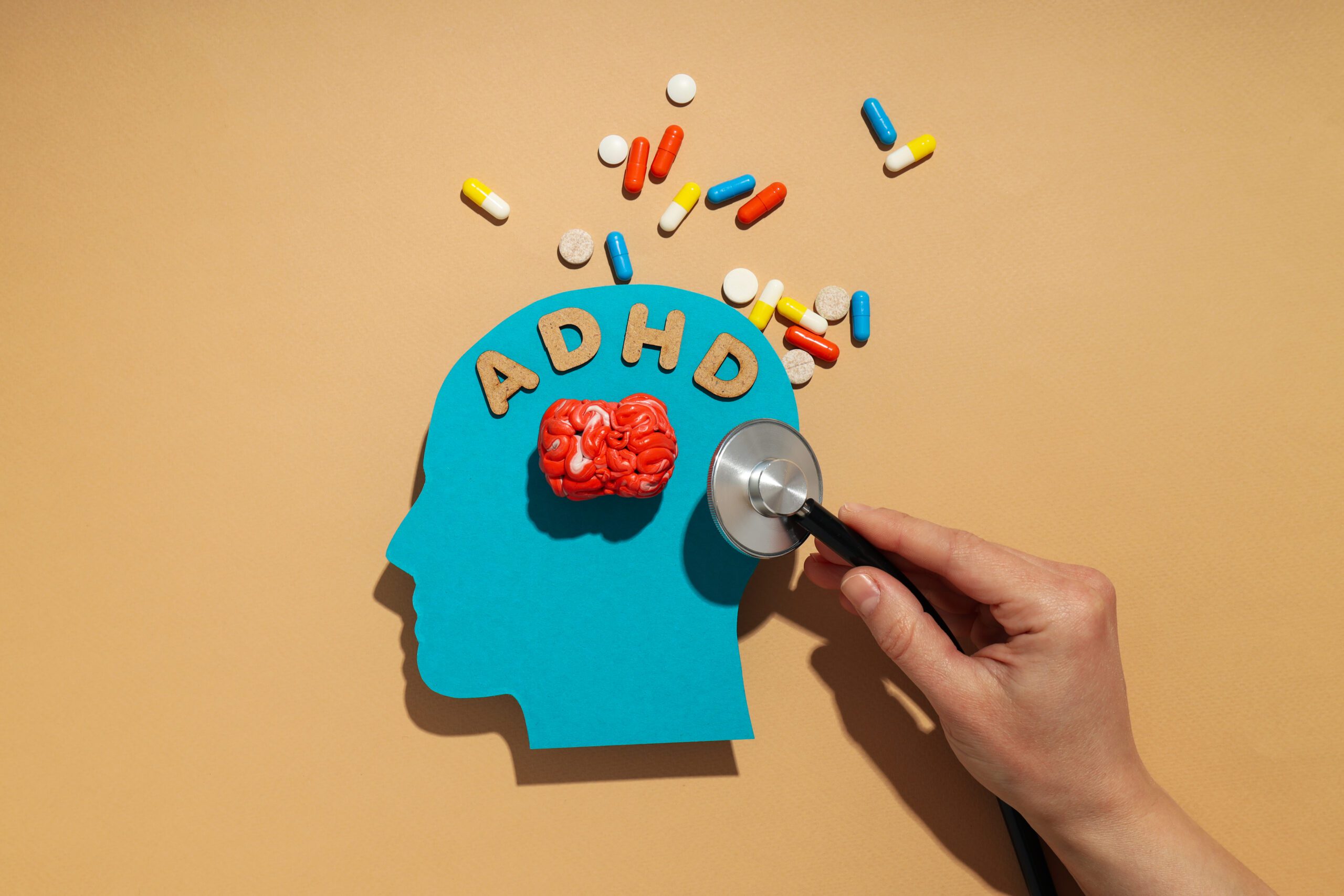
Many children with ADHD are diagnosed because they don't have the right EF skills to complete tasks and manage their schedules efficiently. They are more likely to skip school, be easily distracted and make mistakes.
There are adhd test for adults of tests for executive function. Some are based on rating scales, which are constructed from parents' and teachers observation of children's behavior. These can provide an excellent indicator of how a child's behaviour is however they aren't as reliable than one-on-one executive function tests conducted by psychologists.
Another type of executive function test employs cognitive testing. This type of testing measures concepts such as problem solving and attention span as well as memory. There are several tests that assess these kinds of abilities, such as the Woodcock-Johnson III Cognitive Tests and the NEPSY.
These tests evaluate a child's ability to concentrate to their surroundings, plan and organize, and remain focused on tasks for long periods of time. These tests are useful in assessing the child's performance at school as well as at home.
The test results can be used to determine if someone has ADHD. If they are diagnosed with ADHD, they might require treatment to improve their EF skills. The treatments are medication and cognitive therapy for behavioral disorders.
Test of Memory (T.M.
Many memory tests are conducted to evaluate the ability to recall. They include both verbal and visual tests of memory as well as the capacity to retain information over time. The results can provide insight into the person's strengths and weaknesses, as well as to determine which kind of treatment is the best for them.
The Test of Memory (TOMM) is a computerized attentionand memory-stimulating exam designed for children aged five years old up to adulthood. It comprises a screening index, which is approximately 10 minutes long, and multiple subtests. It does not require right-left discrimination, letters or number recognition or language skills and is a quick and simple way to assess the retention of memory over a period of time.
In this study, we compared the performance of the group of ADHD patients with that of control individuals using the TOMM. We found that the ADHD patients performed significantly worse than control group on verbal memory, focused attention and abstract problem solving that requires working memory. They also scored less than half of the standard deviation (S.D.). lower on the Rey Osterrieth test which requires planning and organization and delayed recall accuracy.
This is important as ADHD sufferers may have trouble with their short-term memory which makes it difficult to remember specific details. This can make it difficult to complete tasks and may cause difficulties in schoolwork.
A person with ADHD might have issues with their long-term memory. This is because someone with ADHD may have trouble remembering information they've learned over time and might not be able to finding it.
A variety of neuropsychological tests could be prescribed by a doctor who suspects that you may have ADHD. These include broad-spectrum scales that test for psychiatric, emotional, and social disorders as also tests to test specific abilities.
To determine what type of test is best for your adult or child the doctor will talk to you and a member of your family. This is a great time to ask your child/adult which tasks they find most difficult and challenging.